








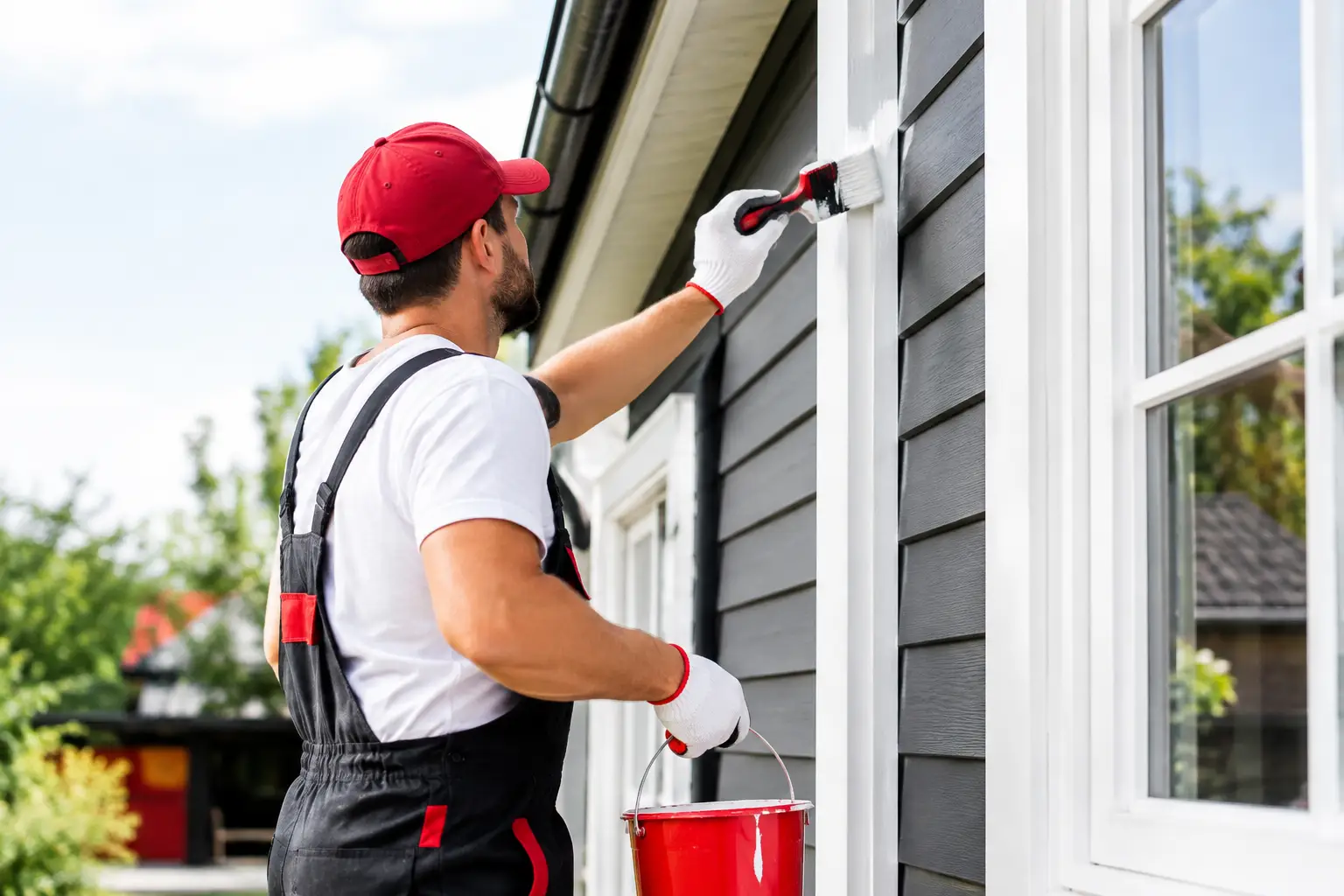
A fresh coat can make a home, office, church, or multifamily property look well cared for. But exterior painting is not simply a color decision. On a North Texas property, quality paintwork helps protect siding, trim, fascia, soffits, doors, and other exposed surfaces from intense sun, wind-driven rain, humidity, and the wear that follows hail and severe weather.
The finish matters, but the work beneath it matters more. Paint applied over peeling coatings, open seams, damaged wood, or moisture problems may look good briefly, then fail long before it should. A dependable exterior painting project starts by finding those issues, explaining what needs attention, and preparing the exterior so the finished result has a fair chance to last.
Exterior Painting Starts With the Condition of the Surface
Paint is a protective coating, not a repair for damaged materials. When boards are soft, caulk joints have opened, gutters are overflowing, or water is entering around roof edges, painting over the problem can trap moisture and hide the evidence until repairs become more involved.
A careful inspection should look beyond the obvious peeling areas. On homes, that often means examining window and door trim, fascia boards, soffits, siding transitions, porch ceilings, and areas below gutters. On commercial properties, the review may also include parapets, metal components, exposed sealant joints, trim, entryways, and sections where water runs off a low-slope roof.
This connected approach is especially useful after a storm. Wind can loosen trim, hail can damage painted metal, and roof or gutter issues can send water where it does not belong. Addressing the source of the damage before paint is applied protects the investment in both the repair and the finish.
What Proper Preparation Looks Like
The most visible part of a exterior painting project is the final coat. The most important part is usually the preparation. Surfaces need to be clean, dry, sound, and properly primed for new paint to adhere as intended.
Preparation commonly begins with removing dirt, chalking paint residue, mildew, and loose material. Washing must be done thoughtfully. Excessive pressure can damage older wood, force water behind siding, or disturb fragile surfaces. The right method depends on the material, its condition, and the surrounding details.
After cleaning, loose or failing paint should be scraped and sanded until the edges are smooth. Bare wood, repaired areas, and stains that could bleed through may need primer. Caulk should be replaced where joints are open, but not every gap should be sealed. Some exterior assemblies need room to drain or move with temperature changes, which is why experience matters.
Before painting begins, a contractor should also protect landscaping, walkways, windows, outdoor fixtures, and nearby vehicles. Respect for the property is part of the job. Clean work areas, daily communication, and a plan for cleanup make a significant difference, particularly at occupied homes, busy commercial sites, and multifamily communities.
Repairs That Should Happen Before Paint
Exterior painting often reveals maintenance needs that are easy to miss from the ground. A responsible contractor should identify those conditions clearly, provide photographs when useful, and distinguish between work that is necessary now and work that can be monitored.
Common pre-painting repairs include replacing deteriorated fascia or trim, securing loose siding, repairing soffit damage, sealing appropriate penetrations, and correcting water-damaged wood. Gutters may also need attention if they are overflowing, pulling away from the fascia, or directing water against the building.
For a property with recurring staining or peeling in the same location, the answer is rarely more paint alone. The pattern may point to a roof leak, poor flashing detail, condensation, inadequate drainage, or irrigation that repeatedly wets the wall. Finding the reason for the failure helps prevent a frustrating cycle of repainting the same area every few years.
Choosing Paint and Sheen for Texas Weather
There is no single best exterior paint for every surface. The right choice depends on whether the material is wood, fiber cement, engineered wood, stucco, brick, metal, or previously painted siding. It also depends on the amount of sun exposure, the condition of the existing coating, and how much maintenance the owner is willing to plan for.
Quality exterior coatings are designed to hold color, resist moisture, and flex with normal expansion and contraction. In Fort Worth and across DFW, that flexibility matters. Summer heat can be intense, while sudden rain and seasonal temperature swings put stress on exterior materials and the coatings that protect them.
Color selection has practical implications as well. Dark colors can make a bold statement, but they absorb more heat and may highlight surface imperfections, especially on older siding. Light colors generally reflect more heat and can help conceal minor dust between cleanings, although bright white trim may show mildew or road grime more readily. A paint sample viewed in morning sun, afternoon sun, and shade gives a more reliable picture than a small swatch viewed indoors.
Sheen should fit both the surface and the desired upkeep. Flat finishes can soften imperfections but may be harder to clean. Satin or low-luster finishes are often a practical middle ground for siding, while semi-gloss is commonly used on trim and doors because it offers a cleaner, more defined appearance. The best choice depends on the building and the look the owner wants to maintain.
Timing an Exterior Painting Project
Dry conditions and stable temperatures help paint cure properly. That does not mean exterior work is limited to one short season, but it does mean a realistic schedule should account for rain, morning dew, extreme heat, and the time needed between coats.
Trying to rush a project before an event, sale, tenant move-in, or inspection can create avoidable problems. Paint applied to damp surfaces or recoated too quickly can blister, peel, or cure unevenly. A professional crew watches the weather, follows product requirements, and communicates when a schedule adjustment is necessary to protect the result.
For commercial properties and HOAs, timing also involves minimizing disruption. Painting can often be phased by building, elevation, or entry area so residents, customers, and employees can continue using the property. Clear notices, safe work zones, and coordination with property management are just as important as the coating itself.
Signs It May Be Time to Repaint
A repainting decision should be based on condition, not just the calendar. Many well-prepared paint systems can perform for years, but exposure and maintenance history vary widely. South- and west-facing walls often weather sooner than protected elevations.
Watch for peeling, cracking, bubbling, fading, chalky residue, exposed bare material, or gaps around trim and penetrations. Water stains beneath eaves, soft fascia, and repeated paint failure deserve closer attention because they may indicate an active moisture issue. A prompt inspection can often limit the repair to a smaller area instead of allowing damage to spread.
One Exterior Plan Is Easier to Manage
Painting works best when it is considered alongside roofing, gutters, siding, trim, and sealant maintenance. These systems all manage water in different ways. If one is failing, the others can suffer.
For example, replacing damaged fascia before painting is more sensible than coating it now and disturbing the new finish later. Likewise, repairing a roof leak or correcting a gutter drainage issue first helps protect newly painted surfaces from fresh staining and moisture damage. One accountable contractor coordinating connected exterior work can simplify decisions, scheduling, and documentation.
Salter Exteriors helps property owners evaluate these connected needs with straightforward recommendations and detailed attention to the condition of the building. The goal is not to sell unnecessary work. It is to complete the repairs and exterior painting that make sense for the property, the budget, and the long-term protection of the structure.
A well-painted exterior should give you more than a better first impression. It should give you confidence that the surfaces protecting your property were properly prepared, repaired where needed, and finished with care.
Questions about your exterior painting? Call or text Aaron at 972-246-7448.
Thanks for reading,
Aaron
Salter Exteriors, Fort Worth, TX, serving Tarrant County and North Texas · Call or text 972-246-7448
Related services and service areas
Need help with what this article covers? Salter Exteriors Roofing & Remodeling handles exterior painting, siding and trim exterior painting and fascia and soffit repair. See our local pages for Fort Worth, Arlington and Burleson, plus the rest of our North Texas service areas. Text or call 972-246-7448 to request a free estimate.