








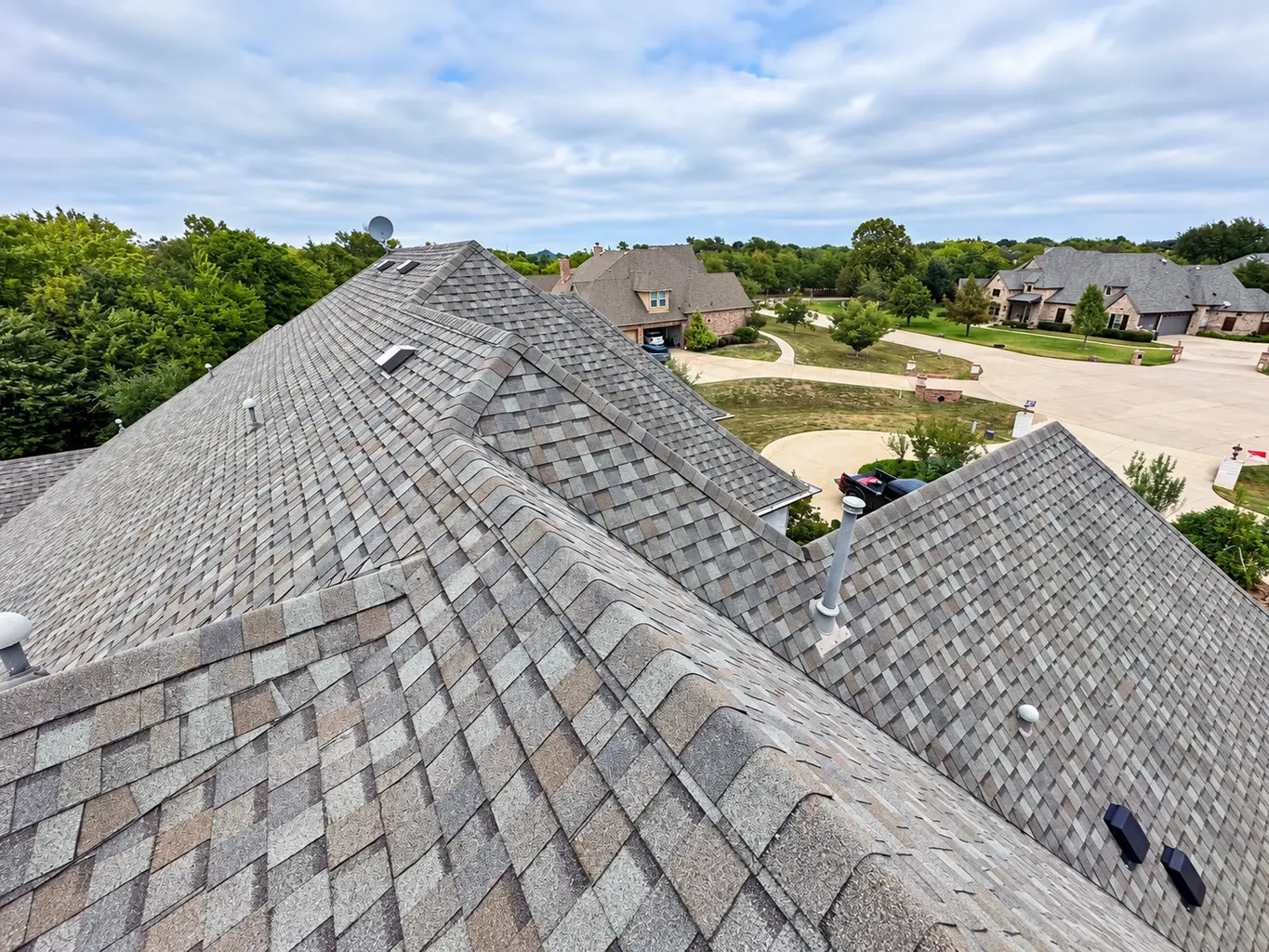
A free roof estimate should do more than put a number at the bottom of a page. It should help you understand what is happening above your home or business, what work is actually needed, and whether repair or replacement is the better use of your money. If an estimate leaves you with more questions than answers, it has not done its job.
For North Texas property owners, that clarity matters. Hail, high winds, intense sun, and sudden downpours can create roof problems that are not obvious from the ground. A trustworthy contractor takes the time to inspect the roof, explain the findings in plain language, and document the condition without pressuring you toward the most expensive option.
What a Free Roof Estimate Is - and Is Not
A roof estimate is a written outline of recommended work and expected cost. It may follow a roof inspection, a storm-damage evaluation, or a visit for an active leak. The best estimates connect the recommendation to specific findings, such as missing shingles, hail strikes, failing flashing, worn pipe boots, open seams, or water entry around a roof penetration.
It is not a reason to make a rushed decision at the front door. A professional contractor can explain urgency when a roof is actively leaking or has storm damage that needs prompt protection. But even then, you should understand the temporary steps, the permanent repair options, and the costs involved before authorizing non-emergency work.
For commercial properties, the estimate may also address drainage, rooftop equipment, low-slope membrane seams, coating condition, and areas where water can collect. The details differ from a shingle roof, but the standard is the same: the scope should clearly explain what will be repaired and why.
What a Thorough Free Roof Estimate Should Include
The condition of the roof
Start with the findings. A useful estimate identifies the roof areas inspected and the conditions observed. Rather than simply stating that a roof is "damaged," it should describe the type of damage and its location. For example, a contractor may note cracked or missing shingles on a rear slope, deteriorated flashing at a chimney, granule loss, lifted ridge caps, or punctures in a low-slope roofing membrane.
Photo documentation is especially helpful after hail or wind events. Photos give homeowners, property managers, and insurance adjusters a clear record of visible conditions. They also make it easier to compare the roof's condition if questions arise later.
Not every roof issue means the entire roof needs replacement. A localized leak caused by a failed pipe boot or damaged flashing may be repairable. On the other hand, widespread hail damage, aging materials, repeated leaks, or a roof near the end of its service life can make replacement the more practical long-term choice. The estimate should explain that distinction honestly.
A clear scope of work
The scope is the part of the estimate that describes the work itself. It should specify whether the recommendation is for a repair, maintenance work, emergency tarping, or full replacement. For replacement projects, it should identify the roofing material and major system components, not merely say "new roof."
On a residential shingle roof, that may include tear-off, underlayment, ice and water protection where needed, shingles, ridge caps, flashing, ventilation adjustments, and debris removal. On a commercial low-slope roof, it may include TPO repairs, seam work, coating preparation, drains, flashing details, or replacement sections.
A clear scope also helps avoid misunderstandings. If damaged gutters, fascia, soffit, siding, or interior water damage are visible, those items should be addressed separately or identified as outside the roofing scope. Connected exterior problems are common after a storm, and knowing what is and is not included protects everyone involved.
Pricing that makes sense
The estimate should show a price for the proposed work and identify meaningful variables that could change it. Roofing sometimes involves hidden conditions, such as rotten decking found after old shingles are removed. A responsible contractor will explain how those conditions are handled instead of burying vague charges in the fine print.
For repair work, pricing may be straightforward. For a replacement, costs depend on roof size, pitch, material selection, access, existing layers, flashing needs, ventilation, and the condition of the roof deck. A lower estimate is not automatically a better estimate if it leaves out essential parts of the roofing system.
Ask whether permits, disposal, material delivery, cleanup, and warranty information are included. You should not have to guess whether the quoted price covers removing the old roof or hauling debris away from the property.
Recommendations and next steps
A good estimate gives you a path forward. If the roof can be repaired, the contractor should explain the expected benefit and any limitations. A repair may stop a leak and extend the roof's life, but it may not make sense to keep investing in a roof with widespread deterioration.
If replacement is recommended, you should receive enough information to compare options without feeling rushed. That includes material choices, expected project timing, how the property will be protected during the work, and what the cleanup process looks like. For businesses, churches, HOAs, and multifamily properties, scheduling and safety planning deserve special attention because roofing work can affect residents, customers, staff, and daily operations.
When Storm Damage Is Involved
After a hail or windstorm, a free roof estimate often becomes part of the insurance claim process. The contractor's role is to document visible damage, prepare an accurate scope of repairs, and help you understand the work needed to restore the property. The insurance carrier makes coverage decisions, but detailed documentation can help ensure relevant damage is not overlooked.
Be cautious of anyone who promises to "cover your deductible" or guarantees that insurance will pay for a full roof before a proper inspection and claim review. Those promises can create legal and financial problems. A better approach is straightforward: inspect the property, document the damage, provide a professional estimate, and explain the process clearly.
If your roof is leaking after a storm, protecting the interior comes first. Emergency tarping or temporary repairs may be necessary while the full evaluation is completed. Keep records of water intrusion, take photographs when safe to do so, and move valuables away from the affected area.
Questions Worth Asking Before You Approve Work
You do not need to know roofing terminology to make a sound decision. Ask the contractor to show you the damage, explain whether repair is realistic, and identify what materials and labor are included. Ask how long the work is expected to take, how landscaping and surrounding surfaces will be protected, and how magnetic nails and debris will be cleaned up.
For a replacement, ask about ventilation, flashing, underlayment, and the warranty on both materials and workmanship. For commercial repairs, ask how water will be managed, whether work will affect building access, and what steps will be taken to minimize disruption.
The answers should be direct. If a contractor cannot explain the recommendation in plain language, or pushes for a signature before you have had time to review the scope, consider that a warning sign.
Why Documentation Protects Your Property
Roof work is easier to manage when expectations are in writing. Detailed estimates create a shared understanding of the condition found, work proposed, price, and next steps. They are useful whether you are planning a small repair, preparing a storm claim, budgeting for a commercial property, or comparing replacement options.
At Salter Exteriors, the goal of an estimate is to give Fort Worth-area property owners an honest basis for deciding what comes next. Sometimes that means a targeted repair. Sometimes it means maintenance to prevent a bigger issue. And sometimes a replacement is the most responsible recommendation.
Your roof does not need a sales pitch. It needs a careful look, clear documentation, and a plan that protects the property you have worked hard to maintain.
Questions about your roof? Call or text Aaron at 972-246-7448.
Thanks for reading,
Aaron
Salter Exteriors, Fort Worth, TX, serving Tarrant County and North Texas · Call or text 972-246-7448
Related services and service areas
Need help with what this article covers? Salter Exteriors Roofing & Remodeling handles roof repair, roof replacement and storm restoration. See our local pages for Fort Worth, Arlington and Burleson, plus the rest of our North Texas service areas. Text or call 972-246-7448 to request a free roof inspection.