








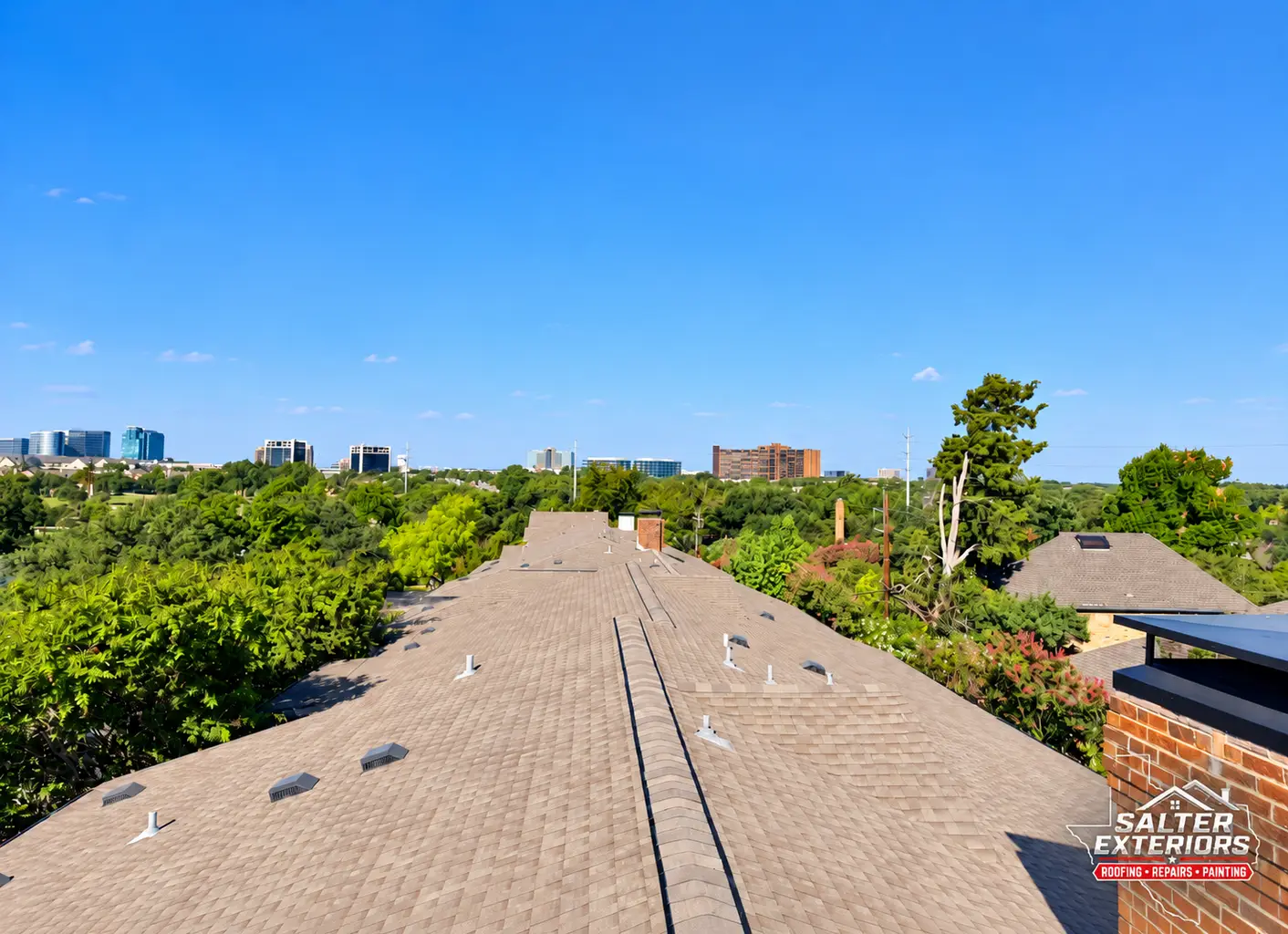
A roof problem at a multifamily property rarely stays contained. A small opening around a vent, flashing detail, or rooftop drain can become stained ceilings, damaged insulation, resident complaints, and an urgent repair request in several units. Consistent multifamily roof maintenance gives property managers a practical way to find those issues while repairs are still manageable.
For apartments, condominiums, townhome communities, and other multi-unit properties, maintenance is not simply about extending roof life. It is about protecting occupied spaces, keeping repair costs predictable, and creating a clear record of what was found and what was done.
Why Multifamily Roof Maintenance Needs a Plan
Multifamily roofs deal with more foot traffic, more rooftop penetrations, and more complicated drainage than a typical single-family home. Mechanical equipment, plumbing vents, skylights, parapet walls, and shared rooflines all create areas where water can enter if materials loosen or age.
The challenge is that residents usually see the interior symptom first. By the time a tenant reports a ceiling stain or a drip during a storm, water may have traveled well beyond the actual entry point. The leak could be above an adjacent unit, behind exterior cladding, or at a roof detail several feet away.
A planned maintenance program shifts the focus from reacting to visible damage to identifying weak points early. It also helps property owners budget for repairs based on documented conditions rather than making decisions under the pressure of an active leak.
What a Thorough Roof Inspection Should Cover
A useful inspection is more than a quick walk across the roof. It should account for the roof system, its drainage, connected exterior components, and conditions that could allow water into the building.
On low-slope roofs such as TPO and coated systems, inspections should look closely at seams, penetrations, flashing, edge metal, drains, scuppers, and areas where water ponds after rain. Standing water can accelerate material wear and put added stress on seams and flashings. It does not always mean the entire roof needs replacement, but it deserves a clear assessment.
On shingle roofs, the focus may include missing or lifted shingles, exposed fasteners, damaged ridge caps, pipe boots, valley details, chimney flashing, and deteriorated sealant. Wind can loosen shingles without fully removing them, leaving a vulnerability that may not be obvious from the ground.
The inspection should also extend beyond the roofing surface. Clogged gutters, loose downspouts, damaged fascia, failing sealant, and deteriorated siding can direct water into parts of the building that appear to have a roof leak. Looking at the entire exterior helps avoid repairing the wrong source.
For property managers, photo documentation matters. A clear report should show the condition found, identify the building or roof area involved, explain the recommended repair, and separate immediate concerns from items that can be monitored. That creates accountability for the contractor and gives boards, owners, and maintenance teams useful information for planning.
Set an Inspection Schedule Around Risk
There is no single schedule that fits every property. Roof age, system type, tree coverage, prior leak history, building use, and storm exposure all affect how often a roof should be evaluated. Still, most multifamily properties benefit from inspections at least twice per year, typically before severe-weather seasons and after the hottest part of summer.
In Fort Worth and surrounding DFW communities, hail and high winds add another reason to inspect promptly after a significant storm. Hail damage may not create an immediate leak, particularly on shingles or certain commercial roof systems. But bruising, punctures, displaced materials, and damaged roof components can shorten the roof's remaining service life if they go unaddressed.
A practical maintenance schedule should include these events:
- Routine spring and fall inspections
- A post-storm inspection after hail, strong winds, or heavy rain
- Follow-up visits after major repairs or roof modifications
- Additional checks when residents report recurring moisture or ceiling stains
- Drainage checks after seasons with heavy leaf and debris buildup
The goal is not to generate unnecessary work. It is to establish a repeatable process so small defects do not get lost among day-to-day property demands.
Address the Repairs That Cause the Biggest Problems
Not every roof defect carries the same urgency. A qualified contractor should help prioritize repairs based on the chance of water intrusion, the potential impact on occupied units, and whether the issue will worsen quickly.
Open seams, damaged flashing, punctures, loose roof edges, failed pipe boots, and backed-up drains generally deserve prompt attention. These conditions can allow water below the roof surface, where it may wet insulation, wood decking, or interior finishes. Delaying a targeted repair can turn a relatively limited job into a larger restoration project.
Other items may be appropriate to monitor. Minor surface wear, limited granule loss, or cosmetic storm marks do not automatically mean a roof is failing. The right recommendation depends on whether the material is still performing, how old the system is, and whether related components show active deterioration.
This distinction is especially important for condominium associations and apartment owners managing capital budgets. A repair may be the sensible choice when the roof system is otherwise sound. Replacement becomes the stronger option when leaks are recurring across multiple areas, repairs are becoming frequent, the roof has reached the end of its serviceable life, or the underlying system has broader damage.
Protect Drainage and the Building Envelope
Many avoidable roof issues begin with poor drainage. Debris in gutters, downspouts, drains, and scuppers prevents water from leaving the roof as intended. When water backs up, it can overflow into walls, saturate fascia, damage soffits, and find openings at roof edges.
Maintenance teams should also watch for changes around the building. New HVAC work, satellite installations, signage, and other rooftop additions can create unsealed penetrations or damage existing materials. Even a small project should include a check that flashing and weatherproofing have been restored correctly.
Exterior conditions matter at ground level, too. Water stains on siding, soft fascia, peeling paint near rooflines, and persistent moisture around windows may point to drainage or sealant problems rather than a simple interior maintenance issue. Coordinating roof and exterior repairs through one accountable plan can prevent duplicate work and missed details.
Make Resident Reports Part of the Maintenance Process
Residents are often the first people to notice an issue, but their report needs a clear response process. Encourage them to report ceiling stains, drips, bubbling paint, musty odors, or water around windows as soon as they see them. A quick report helps the maintenance team document the location, identify whether the issue is active, and arrange an inspection before the next storm.
When an active leak occurs, protecting the interior comes first. Move belongings when possible, contain water, document affected areas, and arrange temporary protection if weather is ongoing. Emergency tarping or temporary repairs can reduce further damage, but they should be followed by a full assessment once conditions are safe.
Clear communication is just as important as the repair itself. Residents need realistic expectations about access, noise, parking, and the timing of exterior work. Property managers need reports that explain whether the repair is complete, what was discovered, and whether any related conditions need attention.
Use Documentation to Support Better Decisions
A well-managed roof maintenance program creates a history. Inspection reports, photos, repair invoices, storm assessments, and warranty information make it easier to spot patterns over time. If the same building has repeated leaks near a parapet or a particular drainage area, that history helps identify whether a broader correction is needed.
Documentation is also valuable after hail or wind events. Insurance claims often depend on clear evidence of visible damage and a scope that accounts for all affected construction, not just the most obvious roof area. A thorough inspection can help owners understand the condition of the property before deciding how to proceed.
Salter Exteriors helps multifamily property managers across Fort Worth evaluate roof and exterior conditions with detailed findings, practical repair options, and coordination designed to minimize disruption for residents.
The best time to address a roof concern is before water reaches a unit. A regular inspection, clean drainage path, and clear repair record give property managers a stronger handle on costs and help residents feel protected when the next storm moves through.
Questions about your roof? Call or text Aaron at 972-246-7448 for a free inspection.
Thanks for reading,
Aaron
Salter Exteriors, Fort Worth, TX, serving Tarrant County and North Texas · Call or text 972-246-7448
Related services and service areas
Need help with what this article covers? Salter Exteriors Roofing & Remodeling handles commercial roofing, commercial roof leak repair and roof repair. See our local pages for Fort Worth roofing, Arlington roofing and North Richland Hills roofing, plus the rest of our North Texas service areas. Text or call 972-246-7448 to request a free roof inspection.