








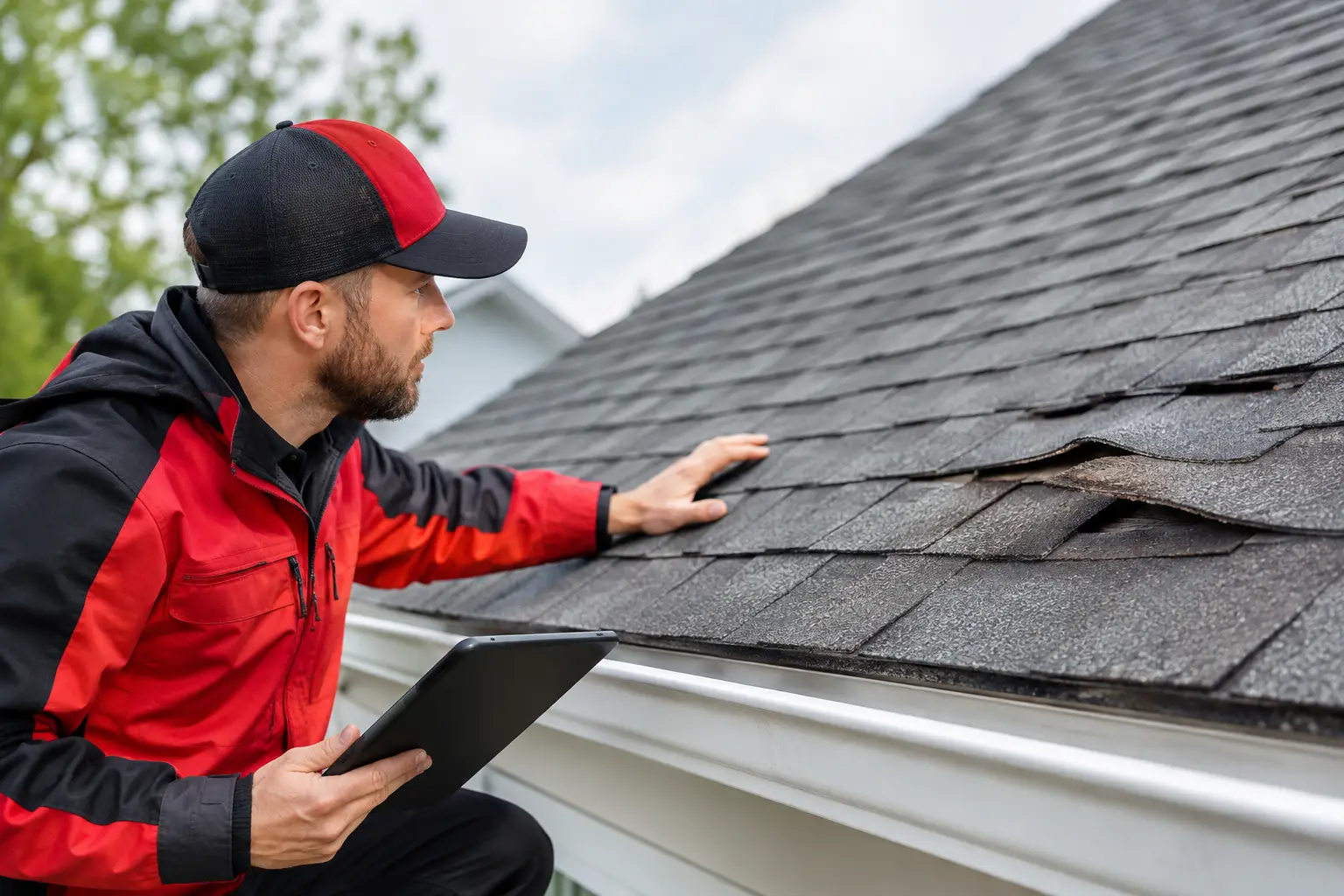
A water spot on the ceiling is rarely where a roof problem begins. By the time moisture appears inside, water may have already traveled beneath shingles, through decking, or along framing. In Fort Worth, hail, high winds, intense sun, and sudden heavy rain can turn a small weak point into a larger repair quickly. Timely roof repair is not about reacting to every cosmetic flaw. It is about finding the source of a problem, protecting the structure, and making an honest decision about what the roof actually needs.
When Roof Repair Makes Sense
A repair is often the right answer when the damage is limited and the rest of the roof is performing well. A few missing shingles after a windstorm, damaged flashing around a chimney, a deteriorated pipe boot, or a small puncture in a low-slope roof can frequently be corrected without replacing the entire system.
The condition and age of the existing roof matter. A newer roof with a localized issue is generally a strong repair candidate, especially when matching materials are available and the surrounding areas remain sound. A repair can restore protection, extend useful service life, and prevent water from reaching insulation, decking, drywall, or electrical components.
That said, a repair should not be used to postpone an obvious replacement indefinitely. If shingles are brittle across broad areas, leaks are recurring in different locations, or the roof has widespread storm damage, patching one spot at a time may cost more over the long run. The right recommendation depends on the full condition of the roof, not just the most visible symptom.
Roof Repair Signs You Should Not Ignore
Some roofing concerns are easy to see from the ground. Others appear inside the home or building long before the source is obvious. An inspection is worthwhile when you notice any of the following:
- Missing, lifted, cracked, or creased shingles after wind or hail
- Water stains, bubbling paint, damp insulation, or musty odors indoors
- Granules collecting in gutters or at downspouts in unusual amounts
- Loose flashing, exposed fasteners, damaged vents, or deteriorated sealant
- Ponding water, open seams, or blisters on a commercial or low-slope roof
A leak does not always mean water is entering directly above the stain. Water can move along roof decking, rafters, or insulation before it becomes visible. This is one reason a quick surface patch may not solve the actual problem. A careful inspection follows the evidence from the roof surface to the affected interior area whenever access allows.
After a hailstorm, do not rely only on whether a roof appears damaged from the driveway. Hail bruising can be subtle, particularly on asphalt shingles, and wind damage may show up as broken seals or lifted tabs rather than missing material. Detailed photographs and a written explanation help property owners understand what was found and what should happen next.
What a Roof Repair Inspection Should Include
A useful inspection does more than identify a wet spot. It should examine the components that keep water out and direct it away from the building. That includes roofing materials, ridge areas, valleys, penetrations, flashing, vents, gutters, edge metal, and visible siding, fascia, or soffit damage that may be contributing to moisture problems.
For commercial properties, the evaluation may also include seams, drains, scuppers, parapet walls, roof-mounted equipment curbs, and areas where previous repairs were made. TPO, roof coatings, metal systems, and other low-slope assemblies each fail in different ways. The repair method should fit the roofing system rather than rely on a one-size-fits-all sealant application.
Documentation matters, especially after severe weather. Clear photos can show visible damage, support maintenance planning, and help establish the condition of the property before repairs begin. If an insurance claim is appropriate, a contractor can document the necessary work and help identify items that may have been missed or under-scoped. The insurer makes the coverage decision, but accurate information gives property owners a better foundation for the conversation.
Act Quickly When a Leak Is Active
An active leak deserves prompt attention, even if it seems minor. Move belongings away from the affected area, contain dripping water if it is safe to do so, and avoid disturbing wet ceilings or electrical fixtures. If a ceiling is sagging or water is near electrical equipment, treat it as a safety issue and contact the appropriate professional immediately.
Temporary protection can make a meaningful difference during a storm or while materials are being scheduled. Emergency tarping is designed to reduce further water intrusion, not to serve as a permanent repair. Once conditions are safe, the roof should be inspected to determine what failed and whether water reached underlying materials.
Avoid climbing onto a wet or storm-damaged roof yourself. Shingles, metal panels, and low-slope surfaces can be slippery, and hidden damage may make footing unreliable. A safety-conscious crew has the equipment and experience to assess the area without adding risk to the situation.
Repair or Replacement: Ask the Right Questions
The repair-versus-replacement decision should be practical, not pressured. Start by asking whether the damage is isolated, whether the roof has remaining service life, and whether the underlying deck and ventilation appear sound. Then consider how often repairs have been needed and whether the material can be matched well enough to create a dependable result.
A targeted repair may be the sensible choice for a roof that is otherwise in good condition. It can address a leak, damaged flashing, or storm-related loss without disrupting the entire property. For a commercial building, a planned repair and maintenance program may also help prevent unexpected closures or tenant complaints.
Replacement becomes more reasonable when damage is widespread, repairs are becoming repetitive, or the existing system is near the end of its expected life. It may also be the better option when hidden moisture, deteriorated decking, or broader exterior issues make isolated repairs less reliable. An honest contractor should explain both paths, including the trade-offs in cost, longevity, appearance, and future maintenance.
Do Not Overlook Connected Exterior Problems
A roof does not work alone. Gutters that overflow, damaged fascia, failing soffit, cracked siding, and worn sealant can all allow water to reach places it should not. Sometimes what appears to be a roof leak is actually a flashing issue, a wall penetration, or water backing up because drainage is restricted.
This is particularly relevant for homes and multifamily or commercial properties with several connected exterior systems. Addressing the roof while ignoring a damaged gutter line or deteriorated fascia can leave the same water-management problem in place. A coordinated inspection helps prevent repairs from being treated as isolated tasks when the cause is broader.
Choose Clear Answers Over Quick Promises
The best roof repair begins with a contractor who explains what they found in plain language. You should know where the issue is, why it happened, what repair is recommended, and whether there are options to consider. You should also expect a clear scope of work, respectful crews, appropriate jobsite protection, and cleanup once the work is complete.
Salter Exteriors helps Fort Worth-area residential and commercial property owners evaluate roofing concerns with detailed inspections, photo documentation, and straightforward recommendations. Whether the answer is a focused repair, storm-damage documentation, temporary protection, or a longer-term plan, the goal should be the same: protect the property without selling work that is not needed.
A small roofing concern is easiest to manage before the next hard rain exposes it. If something looks different, sounds loose in the wind, or leaves even a faint mark indoors, having it checked now can provide far more confidence than waiting for a bigger problem to announce itself.
Questions about your roof? Call or text Aaron at 972-246-7448.
Thanks for reading,
Aaron
Salter Exteriors, Fort Worth, TX, serving Tarrant County and North Texas · Call or text 972-246-7448
Related services and service areas
Need help with what this article covers? Salter Exteriors Roofing & Remodeling handles roof repair, roof replacement and storm restoration. See our local pages for Fort Worth, Arlington and Burleson, plus the rest of our North Texas service areas. Text or call 972-246-7448 to request a free roof inspection.