








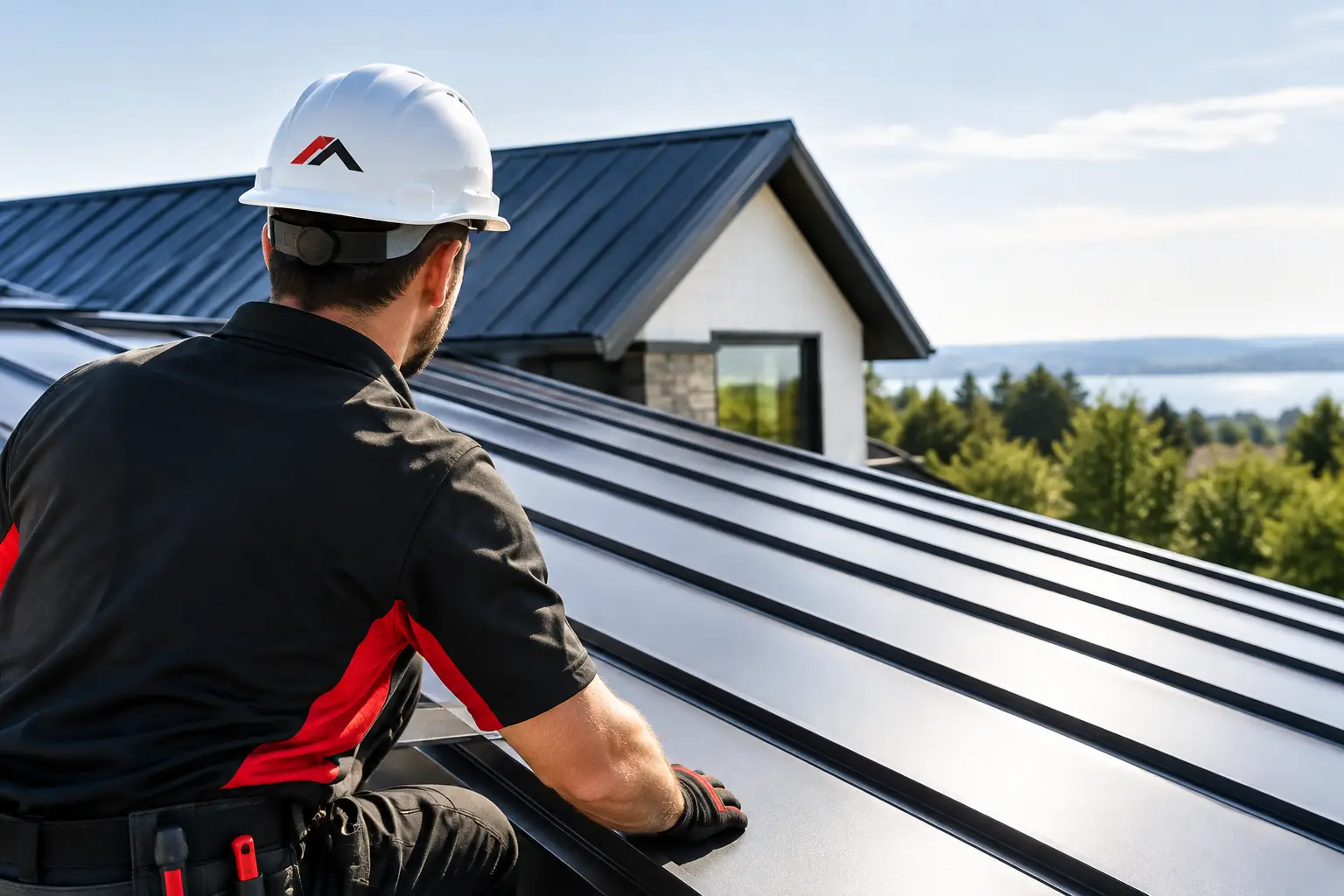
A roof in Fort Worth has to handle more than ordinary rain. It faces intense sun, sudden hailstorms, high winds, and temperature swings that can test every fastener and flashing detail. Standing seam metal roofing is built differently from exposed-fastener metal panels, which is why many homeowners and commercial property owners consider it when they want long-term protection with a clean, architectural look.
That does not mean it is the right answer for every building or every budget. A good roofing decision starts with understanding what the system does well, where it requires extra care, and whether the installation details fit your property.
What makes standing seam metal roofing different?
Standing seam panels run vertically from the ridge of the roof to the eaves. The raised seams between panels cover the fastening system, so most screws and clips are concealed rather than exposed to direct weather. The panels are designed to expand and contract with changing temperatures while remaining secured to the roof deck.
This is a significant difference from many agricultural-style metal roofs, where screws are visible on the face of the panel. Exposed-fastener systems can be a practical, lower-cost choice for some buildings, but their washers and fasteners need more frequent attention over time. With standing seam metal, the critical fastening components are protected beneath the panel seams.
The finished appearance is clean and intentional. On homes, it works especially well on modern designs, farmhouses, ranch-style homes, porches, bay windows, and accent roofs. On commercial properties, it can provide a durable finish for offices, churches, multifamily properties, and retail buildings with appropriate roof slopes.
Why homeowners choose standing seam metal roofing
The biggest benefit is long-term durability. A properly selected and installed metal roof can last substantially longer than a typical asphalt shingle roof. Its smooth panels also shed water efficiently, and the concealed-fastener design reduces the number of weather-exposed penetrations across the field of the roof.
Metal reflects a portion of the sun's heat, particularly in lighter colors and reflective finishes. That can help reduce heat absorbed by the roof assembly, although the actual effect on energy bills depends on attic insulation, ventilation, ductwork, windows, and the rest of the home. A metal roof is helpful, but it does not replace a properly insulated and ventilated attic.
Many owners also value the look. Standing seam has defined vertical lines rather than the layered texture of shingles. It can make a simple roofline look more refined, but it is not a style that disappears into the background. Color, panel width, trim profiles, and roof geometry all affect the result.
For North Texas properties, impact resistance can also be part of the conversation. Some metal products carry high impact ratings, but no roof material is completely hail-proof. Severe hail can dent metal panels, damage paint finishes, affect flashings, or harm other parts of the exterior even when the roof remains watertight. The product rating, panel gauge, hail size, and storm conditions all matter.
The trade-offs to consider before choosing metal
Standing seam metal roofing generally costs more upfront than asphalt shingles. The final price depends on roof size, pitch, accessibility, panel material and gauge, coating type, tear-off requirements, underlayment, insulation needs, and the complexity of valleys, chimneys, skylights, and wall transitions.
Complex roofs require more custom flashing and more careful panel layout. A simple gable roof may be a strong candidate for standing seam. A roof with numerous dormers, short sections, intersecting valleys, and penetrations can still receive a metal roof, but material waste and labor may increase considerably.
Noise is another common concern. When installed over a properly prepared roof deck with quality underlayment and attic insulation, rain noise inside the home is typically not dramatically different from other roofing materials. An open-framed porch, metal carport, or building with little insulation is a different situation. In those applications, rainfall can be noticeably louder.
Metal roofs also require experienced installation. A panel can look straight from the ground while hidden details at the ridge, eaves, valleys, pipe penetrations, and sidewalls create future leak risks. This is not a material to choose based on the lowest estimate alone. The system has to be designed around the roof, not forced onto it with generic details.
Installation details that protect the investment
A standing seam roof is only as dependable as the deck and components beneath it. Before installation, the existing roof deck should be inspected for rot, soft areas, uneven surfaces, and moisture damage. Covering a damaged deck does not solve the issue. It hides it until the damage becomes more expensive.
The underlayment selection matters as well. In Texas heat, underlayment must tolerate high temperatures beneath metal panels. Areas such as valleys, eaves, penetrations, and transitions often need enhanced waterproofing details based on the roof design and local conditions.
Proper ventilation remains important. Metal does not eliminate the need for intake ventilation at the eaves and exhaust ventilation near the ridge where the roof design allows it. Ventilation helps manage attic heat and moisture, protects the roof structure, and supports the performance of the whole home.
Flashing deserves special attention. Chimneys, walls, skylights, plumbing vents, and other penetrations are not minor details. They are where water is directed, stopped, and safely carried away from the building. A professional estimate should explain how these areas will be handled instead of treating them as afterthoughts.
Is standing seam metal right for your property?
Standing seam is often a good fit when you plan to own the property for many years, want a distinctive appearance, and are willing to invest in high-quality materials and workmanship now. It can be especially sensible for homes with straightforward rooflines, properly maintained decks, and architectural styles that complement the panel profile.
It may be less practical when the budget is tight, the roof is highly complex, or the building needs a different system altogether. Low-slope commercial roofs, for example, often require TPO, roof coatings, or another membrane system rather than standing seam panels. The right roof is the one designed for the building's slope, drainage, use, and exposure to weather.
If storm damage has prompted the conversation, begin with an inspection and clear documentation. Hail or wind damage can affect shingles, metal, gutters, siding, fascia, and other exterior components. Insurance coverage depends on the policy and the documented damage, not simply on a preference to upgrade materials. An honest assessment helps distinguish necessary repairs from elective improvements.
Maintenance for a standing seam metal roof
Metal roofing is low maintenance, not no maintenance. Periodic inspections can catch issues before they become interior leaks or costly trim repairs. After a major storm, look for fallen limbs, displaced flashings, dented panels, debris buildup in valleys, and damaged gutters.
Avoid allowing tree branches to scrape across the panels. Keep gutters and downspouts flowing so water does not back up at the eaves. If a contractor needs to access the roof for HVAC, solar work, or another repair, make sure they understand how to walk on and work around metal panels without causing cosmetic or functional damage.
A professional inspection is also worthwhile if you see water stains, loose trim, unusual movement around flashings, or changes following hail or high winds. Small corrections are usually easier and less disruptive than waiting for a leak to show up inside.
Questions property owners often ask
Can standing seam metal roofing be installed over shingles?
Sometimes, but it depends on local code, roof condition, deck integrity, roof weight, and the installation system. A tear-off gives the installer the clearest view of the decking and any hidden water damage. For many properties, that is the more accountable approach.
Will a metal roof attract lightning?
No. Metal does not attract lightning simply because it is metal. A roof's height, location, and surrounding conditions influence lightning risk. If lightning does strike, metal is noncombustible, though an appropriate lightning protection plan should be discussed for buildings where it is warranted.
Can a dented metal roof still protect the building?
It can, depending on the extent and location of the damage. Cosmetic dents do not automatically mean a roof is leaking or has failed. However, hail can also affect seams, flashings, coatings, vents, gutters, and other components. A detailed inspection is the best way to understand the condition.
A roofing decision should leave you feeling clear about what your property needs, what the work includes, and how it will be completed. Whether standing seam is the right fit or another system makes more sense, careful inspection and skilled installation give your roof the best chance to protect what matters underneath.
Questions about your roof? Call or text Aaron at 972-246-7448.
Thanks for reading,
Aaron
Salter Exteriors, Fort Worth, TX, serving Tarrant County and North Texas · Call or text 972-246-7448
Related services and service areas
Need help with what this article covers? Salter Exteriors Roofing & Remodeling handles roof replacement, Class 4 impact-resistant shingles and roof repair. See our local pages for Fort Worth, Arlington and Burleson, plus the rest of our North Texas service areas. Text or call 972-246-7448 to request a free roof inspection.