








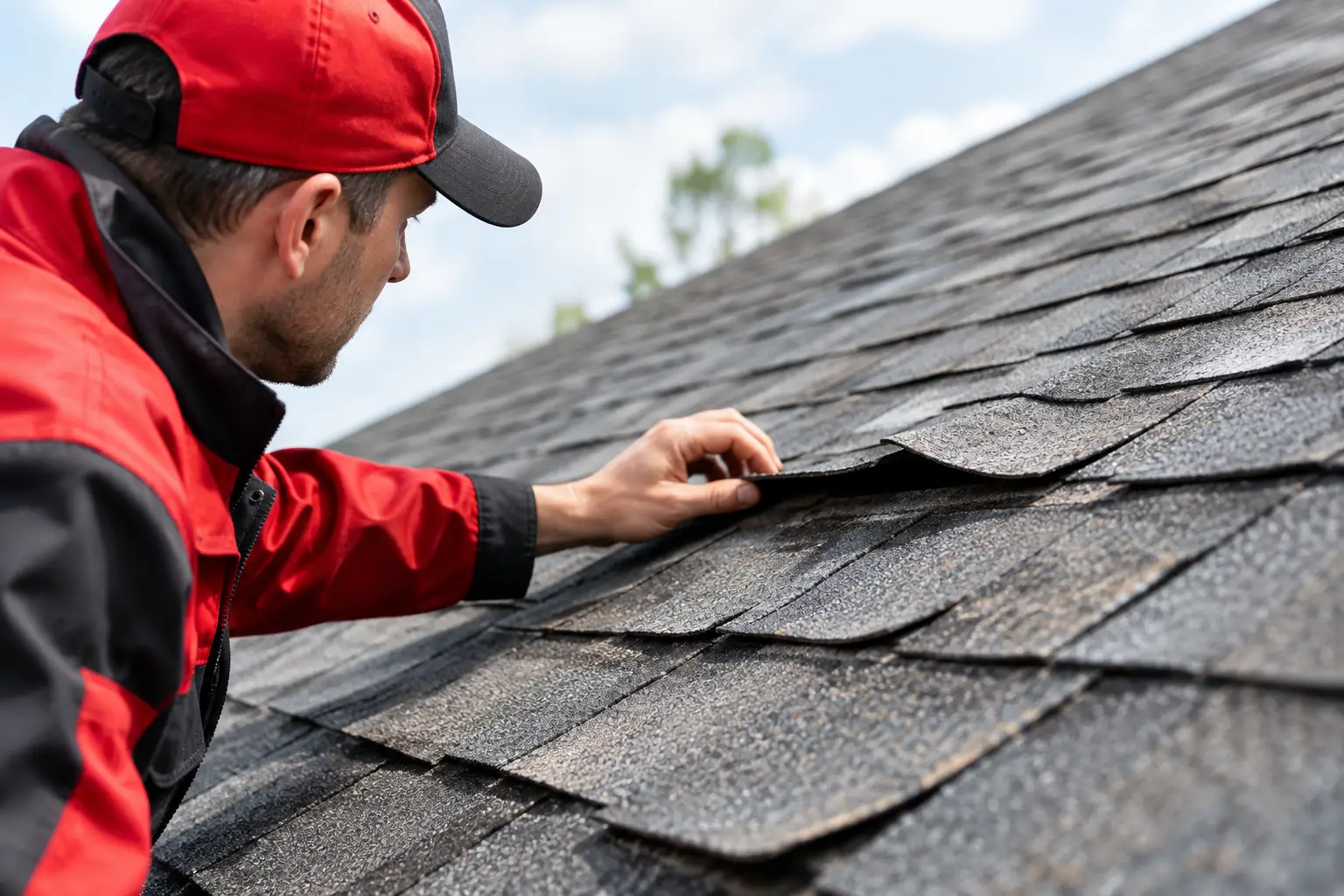
A shingle that starts to lift at the edge can look like a small cosmetic issue from the ground. On a Fort Worth roof, it can also be the first visible sign that heat, moisture, age, or storm exposure is reducing the roof’s ability to shed water. If you are asking, why are roof shingles curling, the useful answer is not simply that the roof is old. The direction of the curl, its location, and the condition of the roof system underneath all matter.
Curling shingles deserve a closer look because they leave parts of the roof more exposed to wind and rain. A qualified inspection can determine whether a focused repair will protect the roof or whether widespread wear has made replacement the more practical investment.
Why Are Roof Shingles Curling?
Roof shingles curl when their shape changes and the edges or corners no longer sit flat against the roof. You may see the edges turning upward, often called cupping, or the middle lifting while the edges remain down, sometimes called clawing. Either condition can make shingles more vulnerable to wind damage and allow water to work beneath the roofing material.
The cause is not always visible from the driveway. Heat in the attic, trapped moisture, normal material aging, installation problems, and weather damage can produce similar-looking symptoms. That is why it is wise to look beyond the curled shingle itself before deciding on a repair.
Age and normal weathering
Asphalt shingles contain oils that help them remain flexible. Over many years of sun exposure, those oils gradually diminish. The shingles become drier and less flexible, especially on roof slopes that receive strong afternoon sun. In North Texas, long hot summers can speed up that process.
A few curled shingles on an otherwise sound roof may be repairable, particularly if matching materials are available and the surrounding shingles still have good flexibility. Curling across several slopes, widespread granule loss, brittle shingles, or repeated repairs usually points to a roof that is nearing the end of its service life.
Poor attic ventilation and excess heat
A roof does more than keep out rain. It works as a system with the attic, insulation, decking, vents, flashing, and gutters. When an attic holds excessive heat, the underside of the roof can become much hotter than it should. That added heat can accelerate shingle aging and contribute to curling.
Ventilation issues may result from blocked soffit vents, insufficient exhaust ventilation near the ridge, added insulation that covers intake areas, or changes made during a remodel. The right solution depends on the home. Adding a roof vent without confirming that the attic has adequate intake ventilation, for example, may not solve the underlying problem.
During an inspection, a roofing professional should look for signs of poor airflow as well as visible roof damage. Correcting ventilation at the same time as a roof repair or replacement can help protect the new materials and improve long-term roof performance.
Moisture trapped in the roof system
Moisture can cause shingles to distort from above or below. A small roof leak, damaged flashing, a plumbing vent issue, or condensation in the attic may wet the roof decking. As the decking and roofing materials repeatedly absorb and release moisture, shingles can lose their flat, secure position.
This is one reason curling should not be ignored. Water may not yet be staining a ceiling, but it can still be affecting the decking, insulation, fascia, or attic framing. Soft spots in the roof deck, dark staining in the attic, musty odors, and peeling paint near exterior trim are all reasons to schedule an evaluation promptly.
Installation mistakes
Even quality shingles can have a shorter life when they are installed over an unsuitable surface or without proper attention to manufacturer requirements. Common concerns include improper nailing, inadequate underlayment, poor flashing details, missing ventilation components, or installing a new roof over old shingles when the existing roof system has unresolved issues.
Installation-related curling often appears earlier than expected. It may be limited to certain roof sections, such as an addition, a low-slope transition, or an area around vents and valleys. An inspection should identify whether the concern is isolated or connected to a broader workmanship issue.
Wind, hail, and severe weather
High winds can lift shingle corners and weaken the adhesive seal that holds shingles in place. Once a corner has been lifted, it may not fully reseal, even if it settles back down. Hail can also knock granules loose and create bruising that shortens the shingle’s useful life.
Curling is not always caused by a storm, but a storm can make an existing weak spot much worse. After a major wind or hail event, look for lifted tabs, missing shingles, exposed nail heads, granules collecting in gutters, and damage to vents, flashing, or soft metal components.
If storm damage is present, photographs and a detailed inspection report can be useful during an insurance claim. Coverage depends on the policy, the documented damage, and the cause of loss. A trustworthy contractor should explain what was found without promising an outcome that only the insurance carrier can determine.
What Happens if Curled Shingles Are Left Alone?
Curled shingles do not shed water as effectively as flat shingles. Wind can catch the raised edges, pull at the fasteners, and tear away additional material. Rain can be pushed under lifted tabs, where it may reach the underlayment or roof decking.
The risk is greater around roof penetrations and transitions. Chimneys, skylights, valleys, pipe boots, sidewalls, and areas where different roof planes meet already require careful water management. A curled shingle near one of these areas can turn a manageable repair into an interior leak if it is left through another storm season.
There is also a practical safety concern. Shingles that have become dry and brittle are easily cracked by foot traffic. Homeowners should avoid trying to flatten, glue, or nail down curled shingles themselves. A temporary fix can break more shingles, conceal a moisture issue, or create a leak around a misplaced nail.
Can Curled Roof Shingles Be Repaired?
Sometimes, yes. The right repair depends on how many shingles are affected, why they curled, and whether the roof has enough remaining life to justify the work. Replacing several storm-lifted shingles on a newer roof is very different from patching widespread curling on a roof that is brittle and heavily worn.
A repair may be a sensible option when the curling is localized, the decking is sound, no active moisture issue is found, and compatible shingles are available. Repairs can also address related details such as damaged flashing, pipe boots, ridge caps, or ventilation components.
Replacement is often the better long-term choice when curling is widespread, shingles are losing granules throughout the roof, leaks have caused decking damage, or prior repairs are accumulating. A good recommendation should explain why, show you photos of the affected areas, and give you clear options rather than pressure you into a decision.
What a Professional Roof Inspection Should Check
A thorough inspection should not stop at the visible shingle edges. It should evaluate the condition of shingles across all roof slopes, exposed fasteners, flashing, penetrations, valleys, ridge caps, gutters, and the roof deck where accessible. The attic should also be reviewed for moisture, ventilation, insulation concerns, and signs of past or active leaks.
For commercial and multifamily properties, the same principle applies: identify the source before specifying the repair. Low-slope systems such as TPO and coated roofs have different failure patterns than asphalt shingles, but ponding water, flashing failures, and drainage concerns still need a complete evaluation rather than a surface-level patch.
Salter Exteriors provides detailed roof inspections and photo documentation so property owners can see the condition being discussed. Whether the answer is a targeted repair, ventilation correction, maintenance planning, or a roof replacement, the goal is to address the cause and protect the property from further damage.
A curled shingle may be a small warning, but roofs rarely improve with another season of heat, wind, and rain. Having it evaluated while the issue is still visible and manageable gives you more control over the repair, the budget, and the condition of the home you work hard to maintain.
Questions about your roof? Call or text Aaron at 972-246-7448.
Thanks for reading,
Aaron
Salter Exteriors, Fort Worth, TX, serving Tarrant County and North Texas · Call or text 972-246-7448
Related services and service areas
Need help with what this article covers? Salter Exteriors Roofing & Remodeling handles roof repair, roof replacement and storm restoration. See our local pages for Fort Worth, Arlington and Burleson, plus the rest of our North Texas service areas. Text or call 972-246-7448 to request a free roof inspection.