
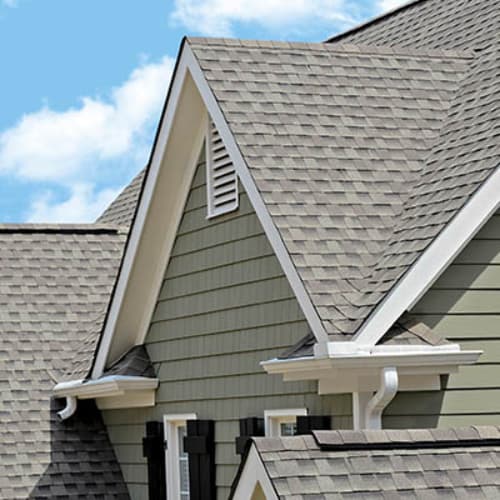
Should You Replace Your Roof? 5 Signs It's Time
Wondering if your home needs a roof replacement in Fort Worth? The truth is that our North Texas mix of hot sun, spring hail, and sudden wind gusts can age a roof faster than you expect. When problems stack up, repairs only kick the can down the road. This guide shows five clear signs it may be time to replace your roof, what local weather does to shingles, and how a trusted Fort Worth roofing contractor like Salter Exteriors helps you make a confident choice.
How Fort Worth Weather Wears Out Your Roof
Fort Worth roofs face long, sunny summers, cold snaps, and powerful spring storms. Hail can bruise shingles and knock off protective granules. High UV breaks down asphalt binders over time. Wind-driven rain finds weak flashing and small gaps along valleys or vents. In neighborhoods like Arlington Heights, TCU/Westcliff, Fairmount, Benbrook, Saginaw, Keller, and Mansfield, these patterns are common and can shorten the life of older materials.
Local insight: Spring to early summer often brings hail across Tarrant County. After a major storm, reliable roofers book up fast. Schedule inspections early so you can plan on your terms, not the weather's.
Sign 1: Widespread Shingle Damage After Hail or Wind
After a storm, shingles may show dark spots, missing corners, or edges that lift. Hail can crush the protective granules and expose the asphalt below. When damage covers large sections, sealing a few tabs does not solve the bigger issue. Multiple areas of bruised or missing shingles usually mean repairs will not restore full protection.
Fort Worth storms also loosen ridge caps and tear off seal strips along the eaves. If you have sections where underlayment is showing or tabs flap in a light breeze, water can find a path inside during the next squall.
Sign 2: Leaks or Ceiling Stains in More Than One Room
One small stain near a vent might be fixable. But stains across several rooms, or a pattern of leaks after every heavy rain, can signal system failure. Water often travels along rafters and shows up far from the source. If flashing, underlayment, and shingles all have issues, the roof membrane as a whole has likely worn down. When leaks repeat in different areas, replacement is often the smarter long-term fix.
Sign 3: Sagging Decking or Soft Spots in the Attic
Roof sheathing can sag when it stays wet or loses fasteners over time. You might notice wavy lines along the plane of the roof from the street, or your contractor may see darkened or delaminated decking from the attic. Moisture trapped by poor ventilation makes this worse. Never walk on a sagging roof; it can be unsafe. A professional inspection can confirm if structural repairs and a new roof system are needed.
Sign 4: Roof Age Nears the End of Its Usable Life
Every material has a typical service range. Three-tab shingles often reach the end sooner than architectural shingles. Metal and tile can last longer if properly installed and ventilated. Fort Worth heat and hail can shorten those ranges, especially on roofs with darker colors, limited shade, or inadequate intake and exhaust vents. If your roof is nearing its expected lifespan and showing curling, cracking, or bald spots, replacement may prevent bigger problems later.
Sign 5: Energy Bills Climbing and Poor Ventilation
Hot attics push conditioned air out of your home and make the AC work harder. If you notice heat buildup upstairs, or a musty smell from the attic, ventilation may be out of balance. A new roof system can pair modern underlayments with balanced intake and exhaust to move hot air out. That creates a healthier attic and can help stabilize indoor comfort over our long Fort Worth summers.
Repair vs. Replacement: How to Decide in Fort Worth
Sometimes a focused repair is all you need. Other times, it becomes a cycle of patchwork that never quite catches up. A trusted local roofing contractor will evaluate the whole system and share a clear plan.
- Choose replacement when damage is widespread, leaks are recurring, or the roof is near the end of its life.
- Consider repair when damage is isolated, the roof is relatively young, and the rest of the system is sound.
- Factor in ventilation, flashing condition, and past storm history in your neighborhood.
Homeowners across Benbrook, North Richland Hills, Mansfield, and Keller often find that replacing a failing roof stops repeat interior repairs and restores curb appeal.
What a Professional Roof Replacement Includes
A quality replacement is more than new shingles. It is a complete weather system installed to manufacturer standards by a licensed roofing contractor.
- Pre-project evaluation to document current conditions and verify materials.
- Protecting landscaping and safe removal of old roofing.
- Decking inspection and replacement of compromised sheathing as needed.
- Ice and water protection at eaves and valleys, plus synthetic underlayment across the field.
- New flashing at critical areas like chimneys, skylights, sidewalls, and penetrations.
- Balanced ventilation using the right mix of intake and ridge or roof vents.
- Proper shingle layout, fasteners, and seal, followed by thorough cleanup and final walkthrough.
When complete, you get a fresh weather shell designed to stand up to Texas sun, wind, and hail better than your aging roof ever could.
How Local Codes, Insurance, and Warranties Fit In
Fort Worth homes must follow applicable building codes and manufacturer guidelines, which help protect your investment. Insurance coverage varies by policy and storm event. Review your policy and work with a licensed local roofer who documents the condition before and after work. Reputable contractors also register manufacturer warranties and explain workmanship coverage in plain language.
Best Timing for Roof Work in Fort Worth
Quality installations happen year-round when the weather cooperates. Many homeowners plan projects between late fall and early spring to get ahead of storm season. After a large weather event, crews schedule quickly. If your roof shows more than one of the five signs above, do not wait for the next hail forecast to decide. Planning now gives you better material choices and a smoother schedule.
What to Expect From Salter Exteriors
Choosing the right partner matters. Salter Exteriors is a local roofing contractor that focuses on clear communication and reliable installation. We explain the condition of your roof in simple terms, show photos, and lay out your options. We help you choose materials that fit your home style, from classic architectural shingles to other durable options suited for North Texas weather.
From Arlington Heights to Saginaw and Mansfield, homeowners trust our team to install full roof systems that look great and stand up to real storms. We keep sites clean, respect your schedule, and do a careful walkthrough at the end. If you are seeing the warning signs, call us at 972-246-7448 to schedule a professional assessment.
Five Signs Recap: Know When It's Time
Here is a quick refresher on what points toward replacement rather than more patching:
- Storm damage that affects large areas, not just a spot or two.
- Leaks or stains in multiple rooms after heavy rain.
- Sagging planes or compromised decking noted by a professional.
- Roof age near or past the typical service range for its material.
- Heat buildup and ventilation issues that keep returning.
If two or more of these are true for your Fort Worth home, a new system can protect your structure, improve comfort, and refresh your curb appeal.
Talk With a Fort Worth Roofing Contractor You Can Trust
Replacing a roof is a big decision, but it should not be stressful. Start with a clear assessment from Salter Exteriors and a plan that fits your home. Call 972-246-7448 today to schedule your visit and get honest guidance on the next right step for your roof.